


The WebRTC Story - Part II
September 26, 2022
If you’ve been following webrtc-developers.com, you might have noticed that the pace of new articles has slowed down recently. First off, I want to thank you for sticking around. The silence isn’t due to a lack of ideas, but rather a fantastic and time-consuming new adventure I’m incredibly excited to share with you.
I’ve joined forces with two of the most respected names in our industry, Tsahi Levent-Levi and Philipp Hancke, to build a new solution called rtcStats.com.
This project has captured a good part of my passion and free time, and I wanted to explain the “why” behind my decision to dive in.
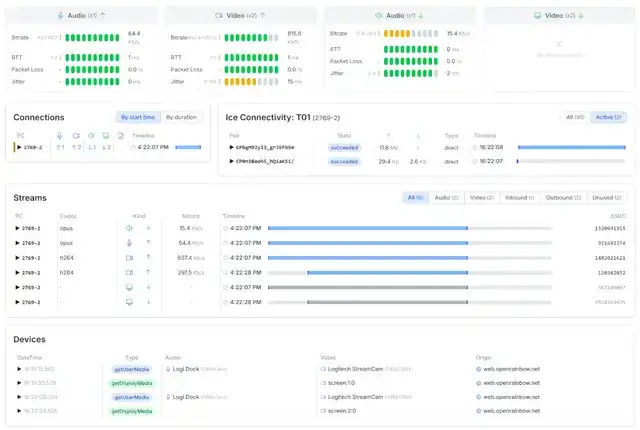
My first and foremost reason was the people. I was genuinely excited by the opportunity to build something with Tsahi and Philipp. They have been in the WebRTC industry for longer than I have, and their depth of knowledge is immense.
For me, this is a chance to collaborate, share ideas, listen, and grow as a developer. Working alongside them is a continuous learning experience, and it’s an opportunity I couldn’t pass up.
In my day job, I spend a significant amount of time improving our Rainbow WebRTC solution at ALE and, crucially, debugging customer issues.
Anyone in this field knows the pain of trying to connect cryptic logs and a mountain of getStats() data to a simple user complaint like “the audio was choppy”.
This is precisely the challenge rtcStats.com is designed to solve.
We are building a tool that does more than just display data; it explains what happened during a call and identifies the reason that led to that situation (which is often a bad one).
The goal is to help people who deal with these issues by pointing them directly to the “root cause.” To do this, the tool provides actionable insights we call observations and deductions, creating a clear narrative that helps you understand what the user actually experienced and what to do about it.
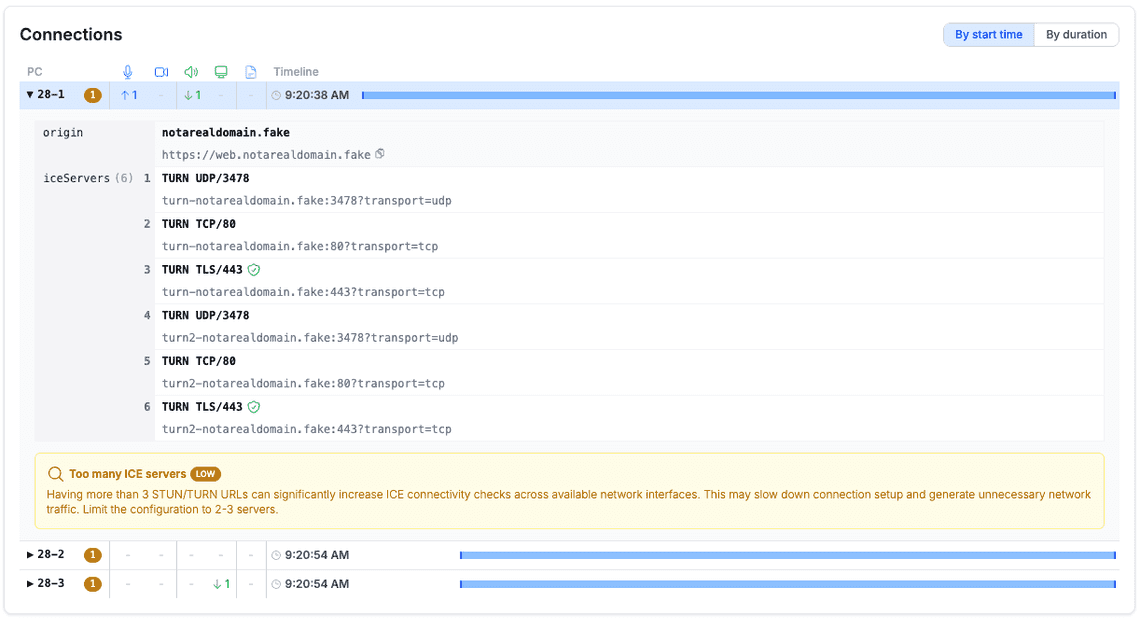
I’ve been in the software development industry for a while now—you could call me a veteran. At ALE, I’ve developed countless applications, either on my own or by leading a team, but often with the same established mindset and processes.
This project has been a breath of fresh air. With the help of Tsahi and Philipp, I’m discovering entirely new ways to approach development, manage a project, and reach our goals. The results speak for themselves. In my experience, even a focused project has never been delivered in less than eight months.
With rtcStats.com, we went from our first kickoff call to a live, running service in half that time. This pace and efficiency have been a revelation.
Don’t worry, this site isn’t going to disappear. Quite the opposite. My focus will remain on helping developers understand the tricky parts of WebRTC.
The great thing is that rtcStats.com will enhance the content here. Going forward, it will provide me with a powerful tool to illustrate exactly how to see, understand, and overcome the challenges we discuss.
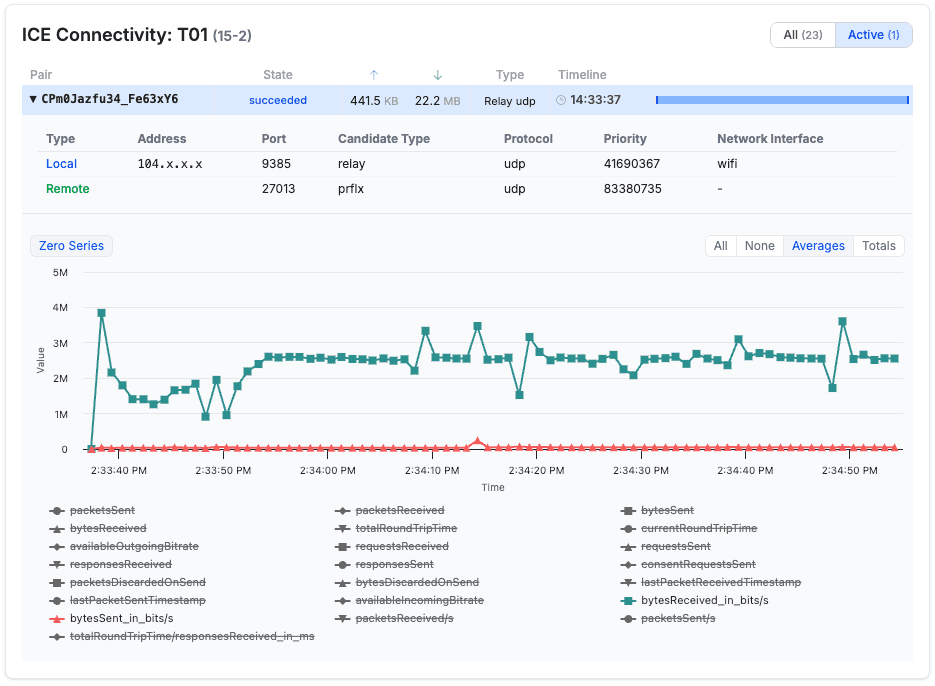
If you haven’t already, please create your free account on rtcStats.com and try yourself.
We’re building this platform to solve real-world problems, and your feedback is crucial, we need the tough cases—if you have a WebRTC dump file that leaves you scratching your head, send it our way at Support rtcStats. Your examples are what help us make the analysis engine smarter for everyone.
The journey is just beginning, and I look forward to sharing more insights from this experience with you all soon.
Stay tuned!